

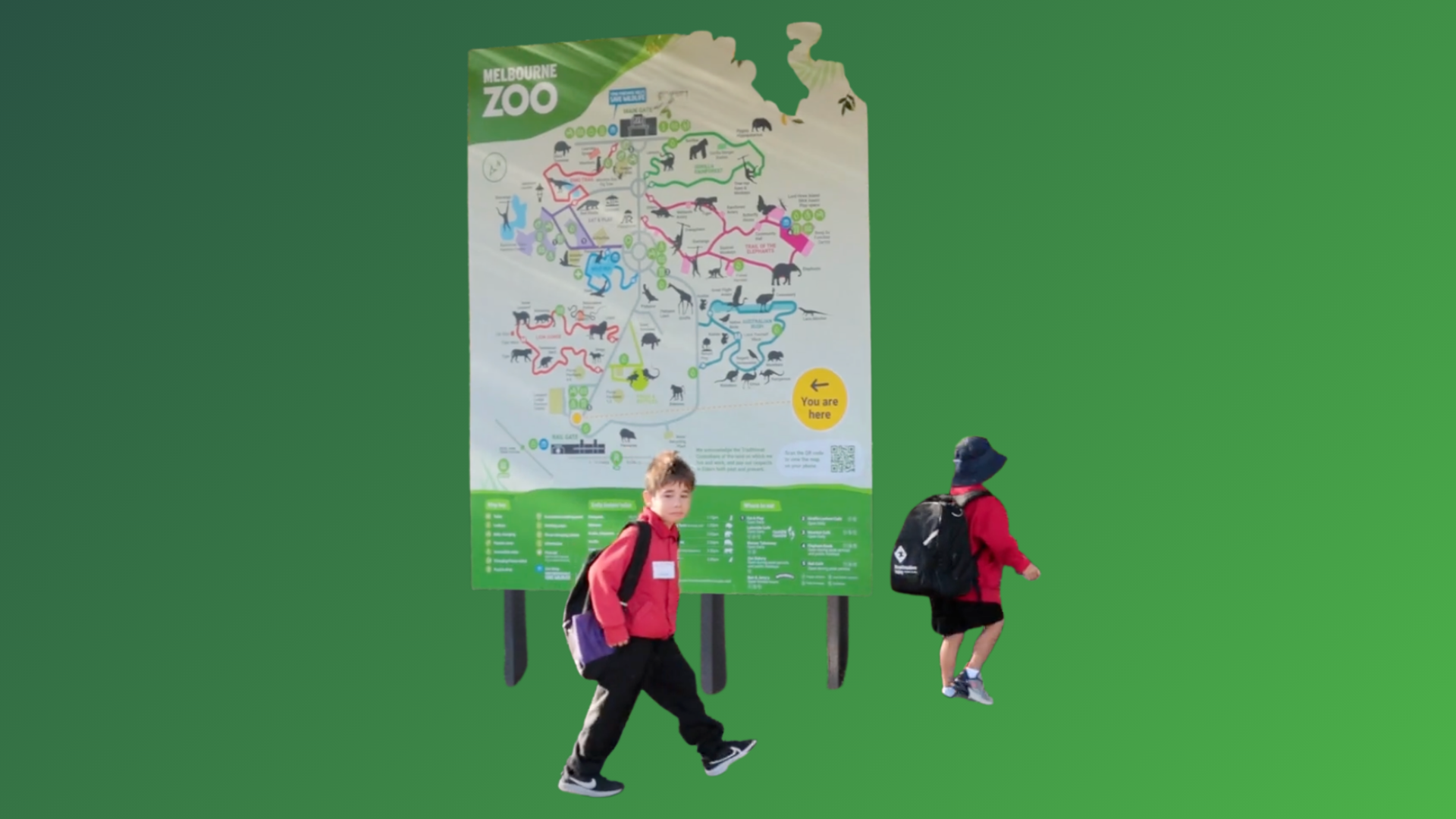
As we settle into the new school year and plan ahead for the months to come, if you actually manage to get some planning time, maybe take a look at your upcoming events and trips. Whether you're organising a school visit to a local museum, planning a residential trip, or hosting an event on your own premises, one question should be at the forefront of your mind:
Are all your safeguarding risk assessments up to date and fit for purpose?
Why Now Is the Perfect Time for a Review
The beginning of the academic year brings fresh energy, new staff members, and exciting plans for educational experiences. When things start to settle down after the first few weeks it's a great opportunity to ensure that every planned activity has been properly risk-assessed from a safeguarding perspective.
Think about it: how many events and trips do you have planned over the next few months? Christmas performances, educational visits, sports tournaments, fundraising events, residential trips, or community partnerships? Each one requires consideration of the safeguarding implications.
Off-Site Activities: Beyond the School Gates
When you're taking staff and children to venues off your school grounds, the safeguarding considerations multiply. You're not just responsible for your usual environment – you're entering new territory with different risks and challenges.
Key questions to ask yourself:
- Have you visited the venue recently to assess current conditions?
- Are all accompanying staff properly vetted and briefed on their safeguarding responsibilities?
- Do you have clear procedures for emergencies and incidents whilst off-site?
- Have you considered transport arrangements and their safeguarding implications?
- Are your staff-to-child ratios appropriate for the specific activity and venue?
On-Site Events: Your Premises, Your Responsibility
Don't assume that because an event is happening on your familiar grounds, the safeguarding risks are automatically manageable. Hosting events often means welcoming visitors, changing your usual routines, and creating different dynamics within your space.
Consider these scenarios:
- School fairs or open days with external visitors
- Performances with parents and community members attending
- After-school clubs or holiday programmes
- External organisations using your facilities
- Contractors or volunteers working on your premises
Each situation requires its own safeguarding lens and risk assessment approach.
The Review Process: Getting It Right
A thorough review isn't just about ticking boxes – it's about genuinely ensuring the safety and wellbeing of everyone involved. Here's how to approach it systematically:
1. Gather All Planned Activities
Create a full list of every planned trip, event, or activity for the coming months. Don't forget the smaller activities that might slip under the radar.
2. Check Existing Risk Assessments
For each activity, ask yourself:
- Is there a current risk assessment in place?
- When was it last reviewed or updated?
- Does it reflect current circumstances and staff?
- Are all identified risks still relevant?
- Have any new risks emerged since the last assessment?
3. Involve Your Team
Risk assessment shouldn't be a solo endeavour. Involve the staff members who will be leading these activities. Their insights and concerns are invaluable for creating comprehensive and practical assessments.
4. Consider the Bigger Picture
Think beyond the immediate activity. Consider how each event fits into your broader safeguarding framework and whether there are any cumulative risks from multiple activities happening close together.
Making the Process Manageable
The thought of reviewing multiple risk assessments might feel overwhelming, but it doesn't have to be. Having a structured template can make the process much more manageable and ensure you don't miss crucial elements.
A comprehensive risk assessment template helps you work through each activity systematically, covering all the essential safeguarding considerations whilst ensuring consistency across your organisation. It provides prompts for the areas you might not immediately think of and helps create a clear audit trail of your decision-making process.
The Benefits of Getting This Right
Taking the time to properly review your risk assessments isn't just about compliance – though that's certainly important. It's about:
- Peace of mind: Knowing you've thought through potential issues before they arise
- Staff confidence: Ensuring your team feels prepared and supported
- Better experiences: When risks are properly managed, everyone can focus on enjoying and learning from the activity
- Organisational reputation: Demonstrating your commitment to safeguarding builds trust with parents and the community
- Legal protection: Having robust, current risk assessments provides important legal protection
Don't Leave It to Chance
Safeguarding isn't something you can afford to leave to chance or assume will be fine because "we've always done it this way." Each activity, each group of children, each set of circumstances brings its own considerations.
The question isn't whether you need to review your risk assessments – it's whether you can afford not to. The safety and wellbeing of the children in your care depend on getting this right, every time.
Take Action Today
Don't wait until the week before your next big event to think about risk assessment. Start your review process now, whilst you have time to make any necessary adjustments or improvements.
Remember, a thorough risk assessment isn't about stopping activities from happening – it's about making sure they happen safely. With proper planning and assessment, you can provide amazing experiences for children whilst keeping everyone protected.
Your future self (and the children in your care) will thank you for taking the time to get this right.
Ready to start your review? A structured approach makes all the difference. Having the right template can help ensure you cover all the essential elements whilst making the process manageable and consistent across your organisation.