

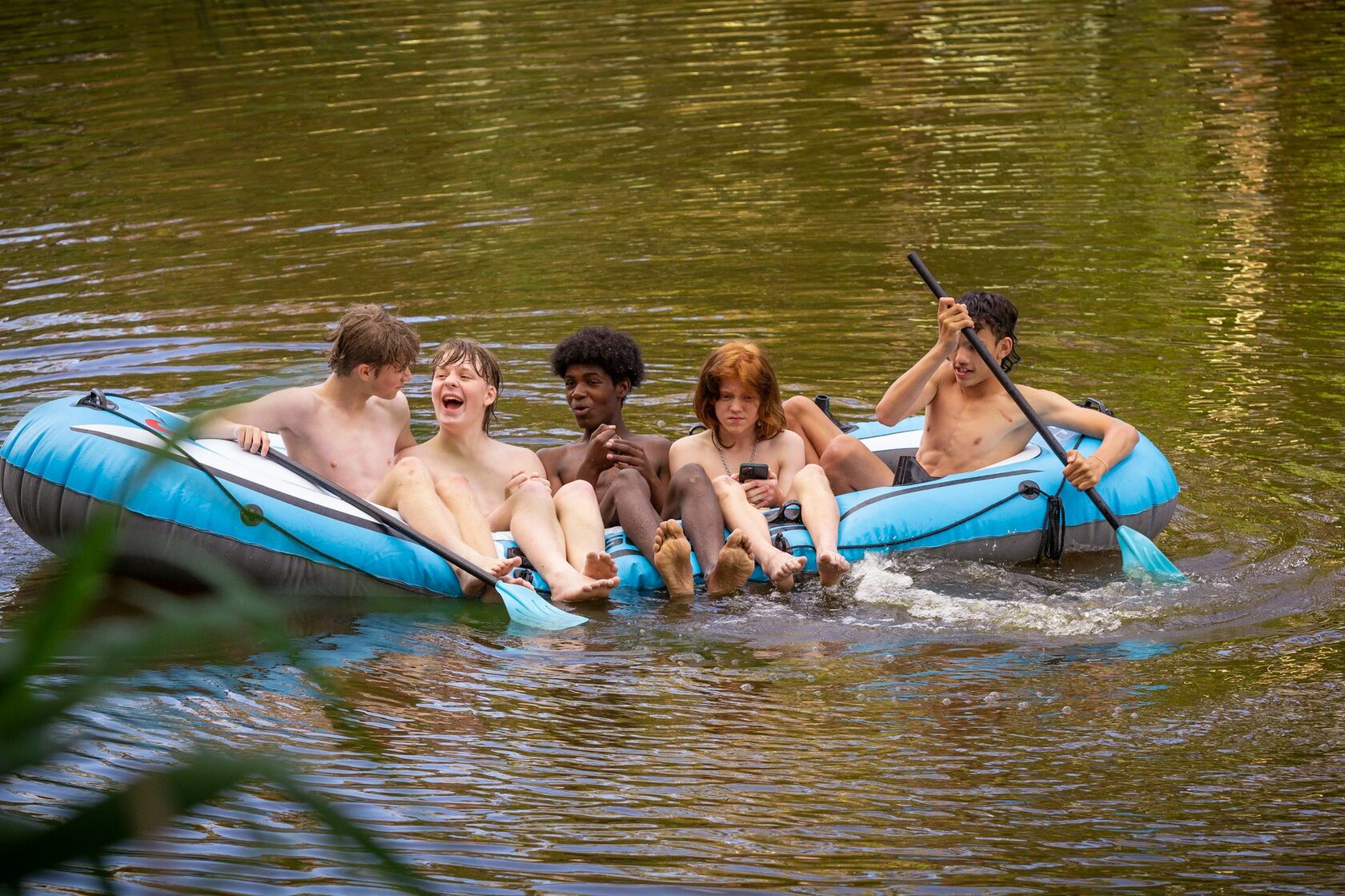
Water Safety and Outdoor Activity Safeguarding Essentials
Is summer’s highest-consequence risks: water and outdoor environments? It could be if proper safety protocols aren't created and followed.
- How do you assess water risk beyond “can they swim?”
- What are supervision standards for pools, beaches, and open water?
- How do you safely plan for water sports and outdoor adventure activities?
- Weather monitoring and decision-making are important factors; and
- What good emergency readiness looks like when you’re outside, remote, and time-critical.
What is water safety? Knowing how to prevent injuries and drowning in, on, and around water by understanding risks, following rules (like never swimming alone), using safety gear (life jackets), recognising dangers (currents, depth), supervising children closely, and knowing basic rescue skills (float, call for help)
If a child got into difficulty near water today… would your team know exactly what to do in the first 60 seconds?
Water incidents escalate fast. Outdoor settings add distance, noise, distraction, and delayed emergency response. The safest providers don’t rely on confidence or experience alone — they rely on clear thresholds, rehearsed actions, and simple controls.
1) Water risk assessment: go beyond “swimmer / non-swimmer”
Swimming ability is only one factor. Real risk is situational.
Consider:
- Water type: pool, beach, river, lake, open water
- Conditions: temperature, currents, tides, visibility, depth
- Access points: slips, drops, hidden depths
- Crowd factors: public access, mixed groups, distractions
- Child factors: confidence, impulsivity, SEND, fatigue
Q: What’s the most common planning mistake?
Assuming “it’s supervised” is a control. Supervision needs structure, roles, and a plan for what happens when visibility breaks.
2) Supervision standards: the difference between “present” and “effective”
Effective supervision means:
- Adults know their exact responsibility (who watches what)
- Scanning is active (not chatting, not task-splitting)
- There’s a clear response plan for a missing child or distress
Practical controls:
- Define a “water edge” boundary and enforce it
- Use clear entry/exit points
- Keep a consistent headcount rhythm (before/after water time)
- Keep the supervision rotating, fatigue sets in for them as well as the swimmers
- Agree the “stop the session” signal
3) Pools: safer sessions through predictability
Pools can feel controlled — but risk still spikes with noise and excitement.
Controls to include:
- Clear rules on running, pushing, dunking, breath-holding games
- Staff positioning: who watches the water, who supports the edge
- Clear handover with lifeguards (roles, signals, emergency response)
- Changing area expectations and phone/camera rules
4) Beaches and open water: plan for what you can’t control
Beaches introduce tides, currents, public access, and changing conditions.
Key planning points:
- Tide times and safe zones agreed in advance
- A defined “swim area” and “no-go area”
- Lost child procedure adapted for public settings
- Clear clothing/visibility expectations (e.g., bright rash vests)
Q: Do we need a different plan for public beaches?
Yes — because you’re managing safeguarding alongside public risk: strangers, crowds, and reduced control of boundaries.
5) Water sports and outdoor adventure: safeguarding includes provider due diligence
If you’re using external instructors/providers, your safeguarding includes checking:
- Qualifications and licensing relevant to the activity
- Ratios and supervision model
- Equipment checks and maintenance
- Emergency response plan and first aid provision
- Safeguarding policy and reporting route
Record decisions and checks in digital safeguarding records so you can evidence due diligence.
6) Heat-related illness: treat it like a predictable safeguarding risk
Heat affects behaviour, judgement, and health.
Build into your plan:
- Scheduled hydration breaks (not “when they ask”)
- Shade and cooling strategy
- Modified activity intensity during peak heat
- Clear escalation for heat exhaustion symptoms
Common signs to train staff on
- Headache, dizziness, nausea
- Confusion or unusual behaviour
- Hot, flushed skin (or clammy skin)
- Fatigue that’s out of character
7) Weather monitoring: who decides, and what’s the threshold?
Outdoor risk isn’t just rain — it’s wind, lightning, heat, and visibility.
Make decision-making explicit:
- Who monitors weather updates
- What triggers a change of plan
- Where you move to (and how you get there)
- How you communicate changes to parents
8) Emergency readiness outdoors: reduce time-to-action
Outdoor emergencies are harder because help can be further away.
Minimum readiness:
- Clear comms plan (phones/radios + backup)
- First aid kit and trained first aider accessible (not locked away)
- Exact location details ready for emergency services
- Rehearsed response for missing child near water
Use centralised records to keep emergency plans, incident logs, and follow-up actions consistent across sites.
Where DBS checks fit (briefly, but properly)
For regulated roles, maintain a clear DBS status visibility and document supervision arrangements where relevant — especially when using seasonal staff or partners.
Q&A: water safety and outdoor safeguarding
Q1: What’s the biggest risk factor around water?
Speed of escalation. A child can get into difficulty silently and quickly. Your controls must reduce time-to-notice and time-to-act.
Q2: Are beaches riskier than pools?
Often, yes — because conditions change and public access reduces control. But pools can still be high-risk if supervision is weak or rules aren’t enforced.
Q3: How do we manage children who overestimate their ability?
Use clear boundaries, structured supervision, and rules that don’t rely on self-assessment. Confidence isn’t competence.
Q4: What should we record after a water-related near-miss?
Facts, timeline, who responded, what actions were taken, and what you’ll change next time — stored in digital safeguarding records.
Q5: How do we evidence due diligence for an outdoor activity provider?
Keep records of qualifications/licensing, insurance, risk assessments, ratios, and safeguarding reporting routes — ideally centralised in safeguarding software.
Quick checklist: safer water and outdoor delivery
- Water risk assessment considers environment + child factors
- Boundaries and response signals are clear
- Provider due diligence recorded in digital safeguarding records
- Heat and hydration built into the timetable
- Weather thresholds and decision-maker agreed
- Emergency readiness reduces time-to-action