

How to get half-term activities right
May half-term often marks the start of peak outdoor provision: sports camps, adventure activities, trips, and larger participant numbers. That mix increases safeguarding and safety risk especially when staffing is seasonal and venues are shared. This article covers:
- Planning supervision and ratios for busy days;
- Outdoor and weather-related risk management;
- Adventure activity licensing and provider due diligence;
- Sports camp safety and injury response;
- Managing transport and collection; and
- How to keep records and reporting clean when things move fast.
The Q&A section covers common half-term questions like what's the biggest safeguarding risk and what a weather plan is?
Why May half-term is a safeguarding pressure point
May half-term combines:
- Higher volumes of children and mixed age groups
- Outdoor activities with changing conditions
- New venues, shared spaces, and public access
- Temporary staff and volunteers
The goal is to keep safeguarding practical: clear controls, consistent supervision, and strong recording.
1) Supervision and ratios: plan for the busiest 30 minutes
Most incidents happen during transitions, not activities.
Hot moments to plan for
- Arrival and sign-in
- Lunch and breaks
- Toilet trips
- End-of-day collection
- Transitions between zones/activities
Practical supervision controls
- Zoning (who supervises which area)
- Named lead per zone + floating support
- Clear headcount routine (before/after every transition)
- Separate plan for off-site trips (including regroup points)
2) Outdoor activity season: weather is a safeguarding factor
Weather changes behaviour, risk, and supervision needs.
Weather-related risk controls
- Heat: hydration, shade, sun protection, reduced intensity
- Rain/wind: slip hazards, shelter plan, equipment checks
- Thunderstorms: stop-play thresholds and indoor fallback
- Water hazards: boundaries, supervision ratios, emergency kit
Practical tip: decide your stop thresholds before the day starts, not in the moment.
3) Adventure activity licensing and provider due diligence
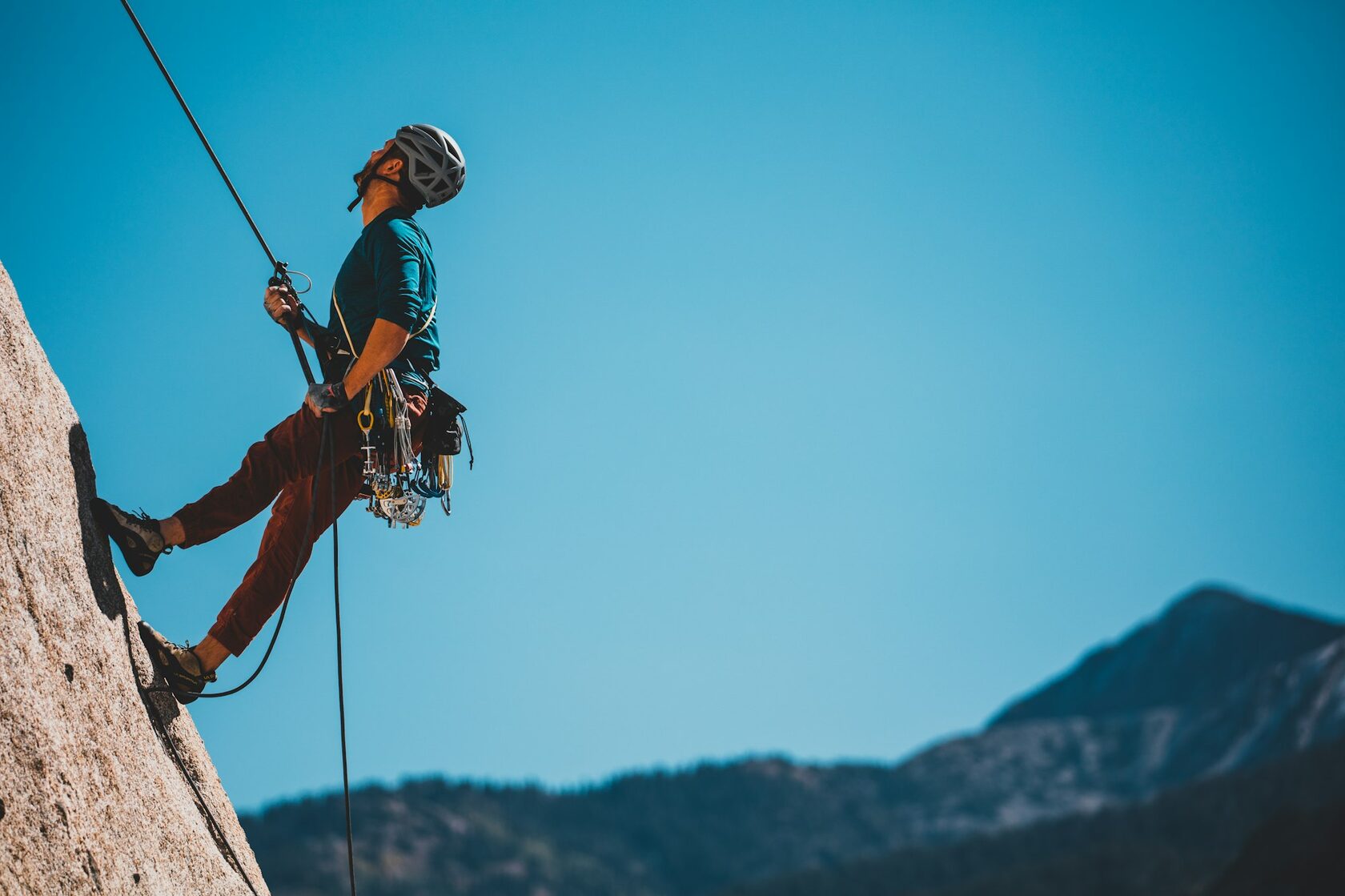
If you're using external providers (climbing, watersports, high ropes), safeguarding includes due diligence.
What to check before you book
- Licensing/qualifications relevant to the activity
- Insurance and risk assessments
- Staff-to-child ratios and supervision model
- Emergency response plan and first aid provision
- Safeguarding policy and reporting routes
Keep a record of checks and decisions in digital safeguarding records so you can evidence your due diligence.
4) Sports camp safety: injuries, behaviour, and inclusion
Sports camps are brilliant but they're high-energy environments.
Practical controls
- Warm-up and cool-down routines (standardised)
- First aid lead on-site and clear incident response
- Behaviour expectations and de-escalation approach
- Inclusion plan for SEND and additional needs
- Clear boundaries on changing areas and toilets
Safeguarding isn't separate from safety. Injury response, supervision, and behaviour management all overlap.
5) Transport, collection, and handover: where safeguarding slips
Half-term often involves:
- Different pickup adults
- Late collections
- Shared venues with unclear access control
Handover controls
- Clear authorised collector list (and what you'll accept as ID)
- Late collection procedure (and escalation route)
- Sign-in/out that matches your supervision model
- Visitor management and controlled access to child areas
6) Recording and reporting: keep it simple and consistent
When you're busy, recording can become patchy. Thats where risk grows.
What to record consistently
- Concerns raised by staff or children
- Injuries and incidents (including near misses)
- Behaviour incidents that indicate safeguarding risk
- Any escalation and outcomes
Using safeguarding software helps teams log consistently and maintain an audit trail through digital safeguarding records.
Q&A: common May half-term safeguarding questions
Q1: What's the biggest safeguarding risk during half-term provision?
Transitions and supervision gaps, arrival, breaks, toilets, and collection. Plan those moments first.
Q2: Do we need DBS checks for all half-term staff and volunteers?
It depends on the role and whether its regulated activity. Operationally, you should always have clear DBS status visibility where required, and documented supervision arrangements for others.
Q3: How do we manage safeguarding when we're using an external activity provider?
Do due diligence: check licensing/qualifications, insurance, safeguarding policy, ratios, and emergency plans. Record your checks in digital safeguarding records.
Q4: What should our weather plan include?
Stop thresholds, hydration/sun routines, shelter locations, indoor fallback activities, and clear comms for staff and parents.
Q5: What should we do if a child discloses something during camp?
Stay calm, listen, don't promise confidentiality, record facts, and escalate to your safeguarding lead the same day.
Q6: How do we evidence compliance to commissioners or local authorities?
Keep risk assessments, staff briefings, incident logs, and check/training records centralised. Safeguarding software makes this faster and more consistent.
How safeguarding software supports half-term delivery
Half-term provision is operationally complex. Safeguarding software helps by:
- Centralising staff checks and DBS check visibility
- Standardising onboarding and briefings across sites
- Keeping incident and concern logs consistent via digital safeguarding records
- Supporting faster reporting and post-programme review
Quick checklist: May half-term safeguarding essentials
- Supervision zones and headcount routine set
- Weather plan agreed (including stop thresholds)
- External provider due diligence completed
- Collection and late pickup procedure clear
- Incidents and concerns logged promptly in digital safeguarding records
- Safeguarding software used to keep checks and evidence in one place