

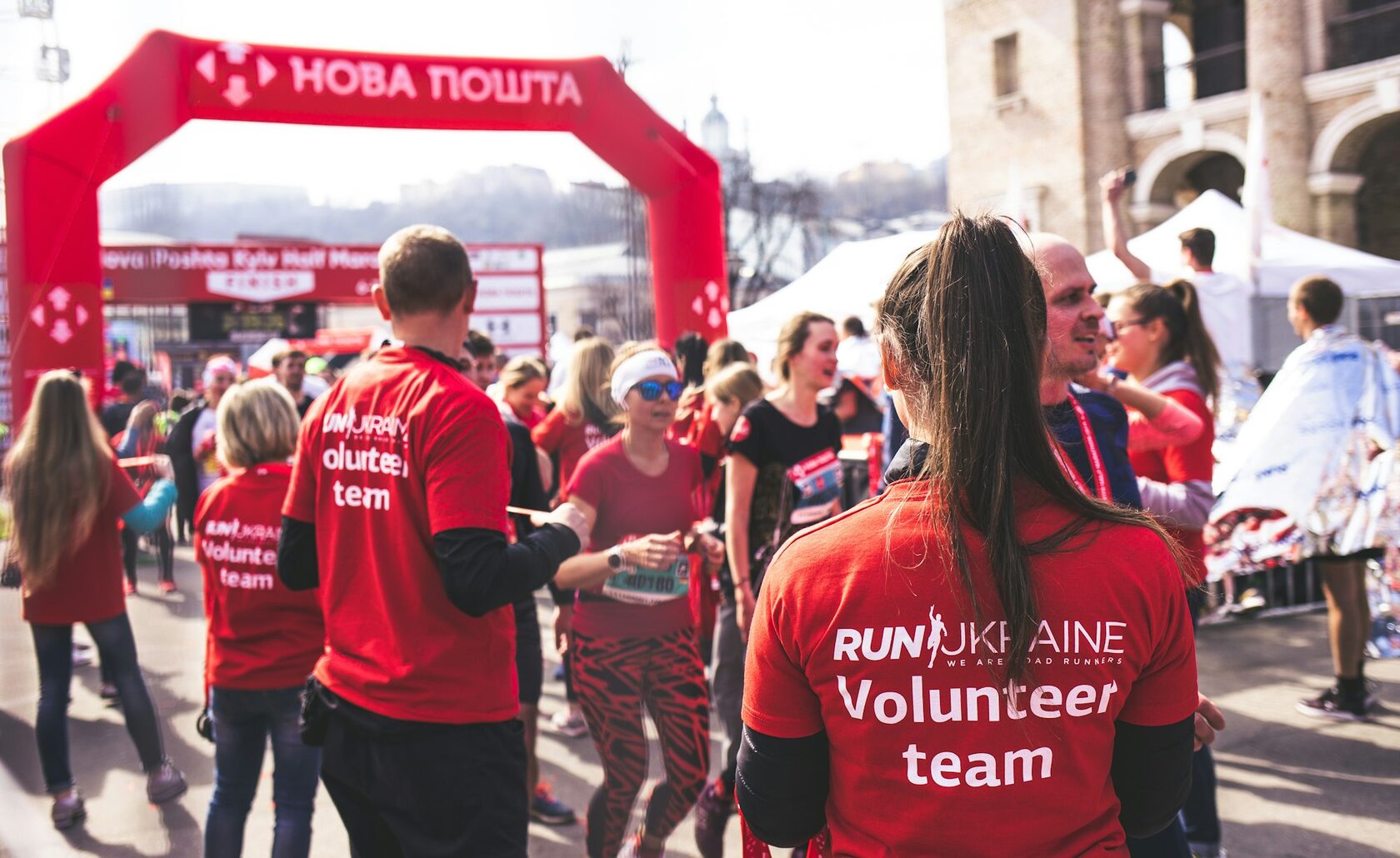
Volunteer Safeguarding: Managing Risk Without Deterring Helpers
Getting volunteer safeguarding right isn't easy. You have to ensure safety but at the same time you don't want to put them off with all the hassle.
So what is proportionate vetting?
Proportionate vetting for volunteers means performing background checks and screenings that are appropriate to the level of risk and responsibility of the specific role. It is about ensuring the safety of beneficiaries and the organisation's integrity without imposing unnecessary or overly intrusive checks that could discourage people from volunteering.
How do you decide if they do supervised vs unsupervised roles?
How much to do for volunteer induction and training?
What sort of ongoing monitoring and boundaries (including digital contact) should be set?
And how do you get them to understand your culture?
You need to consider all these questions to help ensure your volunteers understand their role and the expectations you have. Whilst it might not suit all, it means those that do join will certainly be committed.
Are your volunteers supported… or just “added in” and hoped for the best?
Volunteers are the heartbeat of so many clubs, charities, schools, and activity providers.
But volunteer-heavy delivery comes with a predictable safeguarding risk:
- Roles can be informal
- Boundaries can blur
- Training can be inconsistent
- Checks can be unclear
The goal isn’t to make volunteering feel like joining the police. It’s to create a system where volunteers feel:
- Welcomed
- Clear on expectations
- Confident to act
- Confident to report
1) Start with role design: what’s the level of contact and responsibility?
Before you talk about vetting, define the role.
Ask:
- Will the volunteer be supervised at all times?
- Will they ever be alone with children?
- Will they support personal care or high-trust activities?
- Will they have access to personal data?
- Will they be involved in transport or off-site activity?
This is the foundation of proportionate safeguarding. If you don’t define the role, you can’t define the risk.
2) Proportionate vetting: match the checks to the role
A common mistake is treating all volunteers the same.
Better approach:
- Low-contact / supervised roles: identity checks, references (where appropriate), basic induction, clear supervision.
- Regular / unsupervised roles: appropriate DBS route (where eligible), references, safeguarding training, stronger oversight.
The key message for volunteers is simple: Checks aren’t about mistrust. They’re about protecting children and protecting volunteers too.
If you use our digital passport system, it becomes much easier to evidence who is checked, what was checked what’s in date, and what’s missing. Just saying.
3) Supervised vs unsupervised: make it operational (not theoretical)
“Supervised” only works if it’s real.
Define what supervision means in your setting:
- Line of sight supervision (not “somewhere on site”)
- Named supervisor per session
- Clear ratios and zones
- No 1:1 interactions
If a volunteer drifts into unsupervised contact because the session is busy, or they've been a volunteer 'for ages' your risk profile changes instantly and you are accountable.
4) Volunteer induction and training: keep it short, practical, and repeated
Volunteers often miss the training that staff get.
Minimum induction should include:
- How to respond to a disclosure (listen, reassure, record, report)
- The reporting route (who is the DSL/lead, how to escalate)
- Boundaries (touch, photos, messages, gifts, transport)
- What to do if they’re worried about another adult
Make it usable:
- A10-minute briefing + a one-page guide
- Scenario questions (“What would you do if…?”)
- A quick check that they understood (not just “sign here”)
If this puts them off helping then maybe that's a good thing. It means those that aren't put off are a diligent, committed helper. It's crucial you make this entry requirement clear, those individuals that pose a risk are looking for weak organisations that don't vet correctly.
5) Ongoing monitoring: safeguarding doesn’t end after the first week
Ongoing monitoring doesn’t have to be heavy.
Simple, high-impact actions:
- A named point of contact for volunteers
- Regular check-ins (“Anything you’re unsure about?”)
- Spot checks on boundaries (photos, messaging, pick-up)
- Consistent recording of low-level concerns
If you use safeguarding software, ensure volunteers know how to raise concerns (even if they don’t have system access themselves).
6) Boundaries: where most volunteer safeguarding issues start
Boundaries are where good people make bad calls. Be explicit about:
- No private messaging with children
- No social media connections
- No lifts/transport unless authorised and recorded
- No gifts or “special” relationships
- No photos unless policy-approved
A strong boundary culture protects volunteers from misunderstandings and reduces the risk of allegations.
7) Creating a safe volunteer culture: clarity + appreciation + accountability
If volunteering feels policed, people leave. If volunteering feels vague, risk rises. If it feels too frictionless, those that pose a risk arrive.
A safe volunteer culture includes:
- Clear expectations (written, simple)
- Visible appreciation and belonging
- Consistent supervision
- Easy reporting routes
- Calm, fair handling of concerns
The best volunteer teams are the ones where it’s normal to say: “I’m not sure — can I check that?”
Quick quiz: volunteer safeguarding
1. What's the best starting point for volunteer safeguarding?
- A) Asking people to sign the policy
- B) Defining the role and level of contact/supervision
- C) Assuming volunteers already know what to do
2. Which is the clearest sign a “supervised” role has drifted into higher risk?
- A) The volunteer arrives early
- B) The volunteer asks questions
- C) The volunteer is left alone with children during busy moments
3. What's a strong way to protect volunteers and children at the same time?
- A) Be explicit about boundaries (messaging, photos, 1:1, transport) and reinforce them
- B) Keep boundaries informal so it feels friendly
- C) Only talk about boundaries if something goes wrong
Answer key: 1) B 2) C 3) A
Q&A: Volunteer management and safeguarding
Q1: Do volunteers always need a DBS check?
Not always. It depends on the role, frequency, and whether the work is supervised or unsupervised. Use a proportionate approach.
Whilst we recognise it's not how things work today, if someone is willing to get a DBS for whatever role they're taking, the system should allow them to. But that's not how it works today, we're hopeful in the future the individual will own their own data and decide if they want a DBS to enhance the ability to support organisations more seamlessly. Hopefully we'll have to come back and update this blog at some point!
Whilst we recognise it's not how things work today, if someone is willing to get a DBS for whatever role they're taking, the system should allow them to. But that's not how it works today, we're hopeful in the future the individual will own their own data and decide if they want a DBS to enhance the ability to support organisations more seamlessly. Hopefully we'll have to come back and update this blog at some point!
Q2: What’s the difference between supervised and unsupervised volunteering?
Supervised means real-time oversight (line of sight) with clear accountability. Unsupervised includes any situation where a volunteer could be alone with children or make independent decisions.
Q3: What should a volunteer induction include (minimum viable)?
Keep it short, practical, and repeatable.
Minimum viable volunteer induction:
- Who the safeguarding lead/DSL is and how to contact them
- What to do if a child discloses (listen, reassure, record, report)
- What counts as a concern (including low-level concerns)
- Boundaries: touch, photos, messaging, gifts, transport
- What to do if they’re worried about another adult
- How incidents/concerns get recorded (and by whom)
Then do a quick scenario check:
- “A child tells you something worrying — what do you do next?”
- “A parent asks for your number — what do you say?”
This builds confidence and reduces risky improvisation. It also serves as a message to anyone who poses a risk joining your volunteer team. They're looking for weak organisations with weak systems and processes. Get this right and they will think about about trying to join your team.
Q4: How do we avoid deterring volunteers with safeguarding?
Explain the “why”, keep processes simple, and make support visible. Volunteers stay when they feel valued and clear. If they're serious, they'll understand why this is necessary and won't complain. If they do complain that's a red flag so don't buckle.
Q5: How can we monitor volunteers without creating a culture of mistrust?
Make monitoring normal and supportive.
Good practice:
- Assign a named supervisor per session
- Do short check-ins (“Any concerns? Anything unclear?”)
- Reinforce boundaries in briefings, not just policies
- Record low-level concerns consistently (so patterns don’t get missed)
- Celebrate good practice publicly
When monitoring is delivered as support and safety it's no longer monitoring, it's culture and it feels fair — not suspicious.
Quick checklist: Week 47 volunteer safeguarding
- Volunteer roles clearly defined (supervised vs unsupervised)
- Proportionate vetting process in place and evidenced
- Induction is short, practical, and scenario-based
- Boundaries are explicit (especially digital contact)
- Volunteers have a clear reporting route
- Ongoing supervision and check-ins are routine